
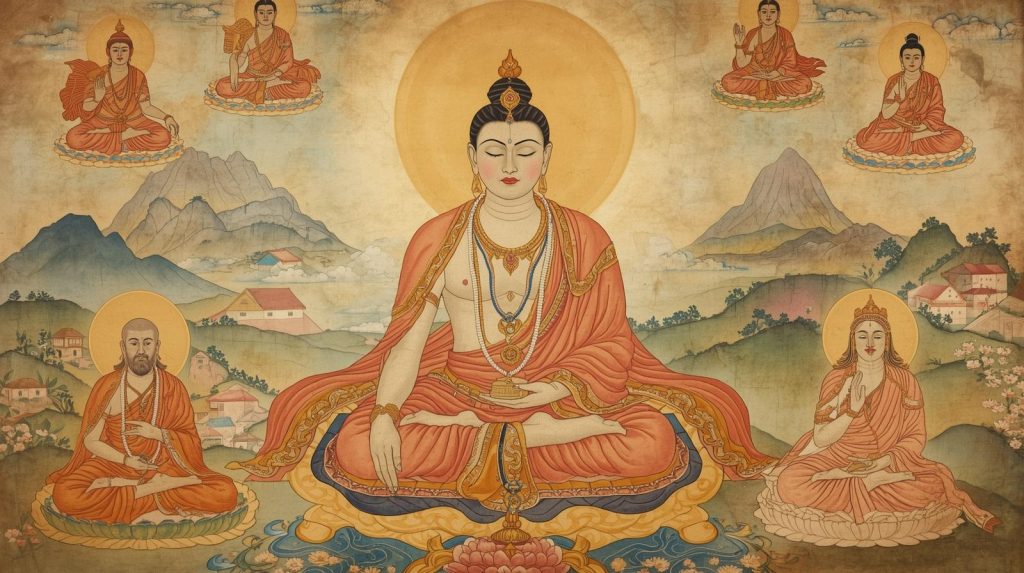
Bhagwan Shantinath, revered as the 16th Tirthankara in Jainism, symbolizes peace, wisdom, and spiritual enlightenment. Known for his serene demeanor and teachings of non-violence, Shantinath continues to inspire millions of devotees worldwide. His life and legacy offer timeless guidance for those seeking inner tranquility and a meaningful spiritual journey.
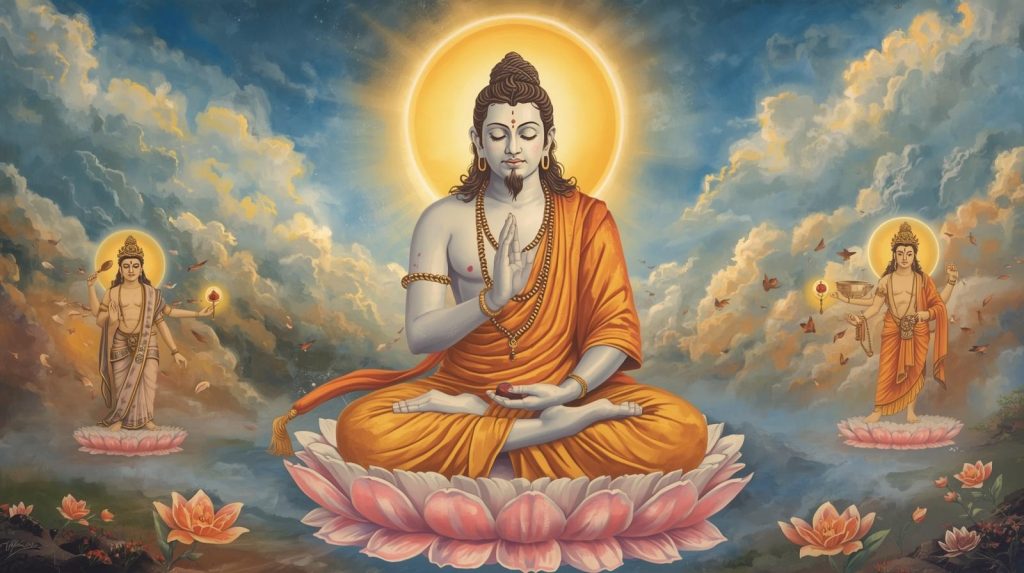
Early Life and Birth
Bhagwan Shantinath was born into a royal family in Hastinapur. From a young age, he exhibited remarkable calmness and compassion, earning the admiration of his family and community. His early inclination towards spiritual practice laid the foundation for his later role as a Tirthankara, guiding countless followers on the path of righteousness.
Spiritual Journey and Enlightenment
Shantinath renounced worldly life and undertook rigorous penance and meditation. Through unwavering dedication, he achieved Kevala Jnana (omniscience), gaining profound insight into the nature of existence, karma, and liberation. His teachings emphasize the importance of non-violence (Ahimsa), truthfulness, and self-discipline, guiding devotees toward spiritual liberation.
Teachings and Philosophical Legacy
The core of Shantinath’s teachings revolves around inner peace, compassion, and ethical living. He encouraged followers to live in harmony with all beings and uphold moral virtues. His sermons and principles continue to shape Jain philosophy, reinforcing the values of patience, tolerance, and spiritual wisdom in everyday life.
Temples and Worship Practices
Devotees honor Bhagwan Shantinath in beautifully constructed temples across India and beyond. Notable temples include those in Mumbai, Delhi, and Shantinath Hill in Rajasthan. Rituals, meditation sessions, and festivals such as Shanti Jayanti celebrate his life and teachings, allowing followers to connect deeply with his spiritual essence.
Bhagwan Shantinath’s Relevance Today
Even in modern times, Shantinath’s message of peace and ethical living holds great significance. His teachings inspire individuals to pursue non-violence, mindfulness, and a balanced life. Communities continue to organize spiritual discourses and charitable activities in his honor, spreading harmony and positive values globally.
Conclusion
The life and legacy of Bhagwan Shantinath serve as a beacon of peace, guiding devotees toward spiritual enlightenment. By following his teachings, one can cultivate compassion, inner serenity, and a harmonious existence in a world often marked by chaos and conflict. Shantinath’s timeless wisdom continues to illuminate the hearts of those who seek the path of righteousness and tranquility.